Water Damage Restoration – Complete Guide to Process, Technology, and Real-Life Solutions
Water damage restoration is the process of repairing and returning a property to its original condition after being affected by water intrusion. This may result from flooding, burst pipes, appliance leaks, or storm damage. The process goes beyond simply removing water it includes drying, cleaning, sanitizing, and repairing affected structures.
When water damage is left untreated, it can lead to severe structural issues, mold infestations, and health hazards. That’s why professional restoration services combine skilled labor, advanced equipment, and proven techniques to ensure complete recovery.
Common Causes of Water Damage

Water damage can happen suddenly or over time. Some of the most frequent causes include:
-
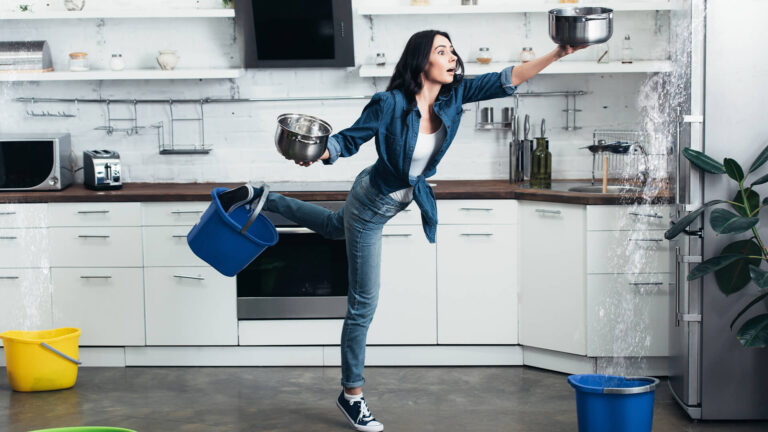
Plumbing failures such as burst pipes or leaking joints.
-
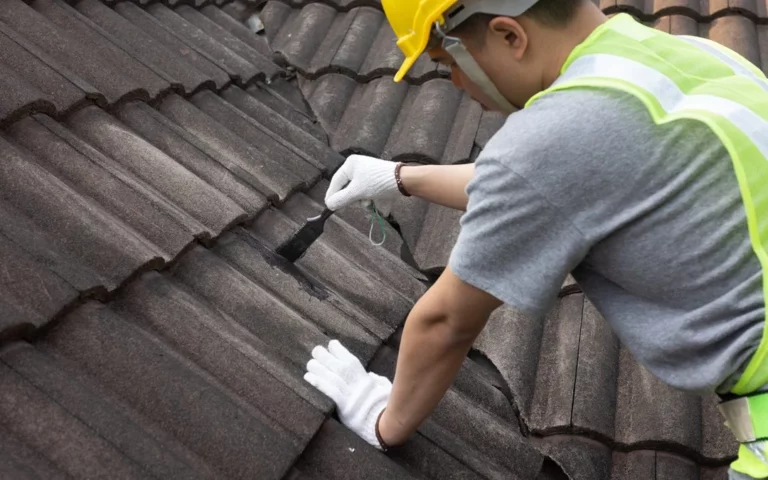
Roof leaks from aging shingles, clogged gutters, or storm damage.
-
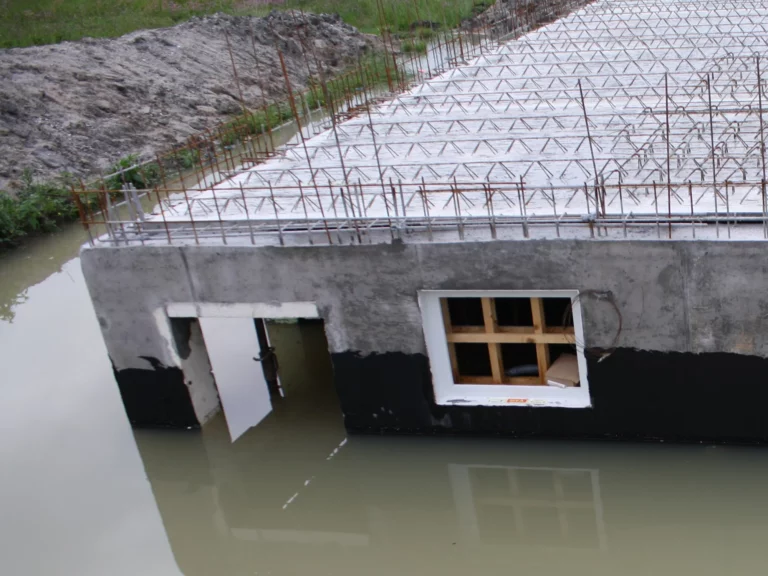
Flooding due to heavy rainfall, hurricanes, or river overflow.
-
Appliance malfunctions such as faulty washing machines, dishwashers, or water heaters.
-
Sewage backups that introduce contaminated water into homes or businesses.
Each type of water damage presents unique challenges. For example, clean water from a pipe burst is less hazardous than black water from sewage backups, which requires strict decontamination.
The Water Damage Restoration Process

Professional water damage restoration follows a systematic sequence to ensure all damage is addressed:
Inspection and Assessment – Specialists use moisture meters and thermal imaging cameras to identify visible and hidden water damage. This step determines the scope of work.
Water Extraction – High-powered pumps and vacuums remove standing water quickly to prevent further damage.
Drying and Dehumidification – Industrial fans and dehumidifiers remove excess moisture from building materials and the air.
Cleaning and Sanitizing – Affected areas are disinfected to remove bacteria, mold spores, and odors.
Repairs and Reconstruction – Damaged walls, flooring, and fixtures are replaced or restored to pre-damage condition.
This process ensures complete restoration, preventing long-term problems like warped floors or weakened structural supports.
Benefits of Using Technology in Water Damage Restoration

Modern restoration relies heavily on advanced technology to improve speed, accuracy, and safety. For example, infrared thermal imaging detects moisture behind walls and ceilings without invasive demolition. Low-grain refrigerant dehumidifiers extract more water vapor than standard units, speeding up the drying process.
HEPA air scrubbers remove mold spores, dust, and other airborne contaminants during restoration. Moisture mapping software allows technicians to track drying progress precisely, ensuring no area is left damp. This technology not only improves results but also reduces costs by preventing repeat damage.
Real-World Examples of Water Damage Restoration
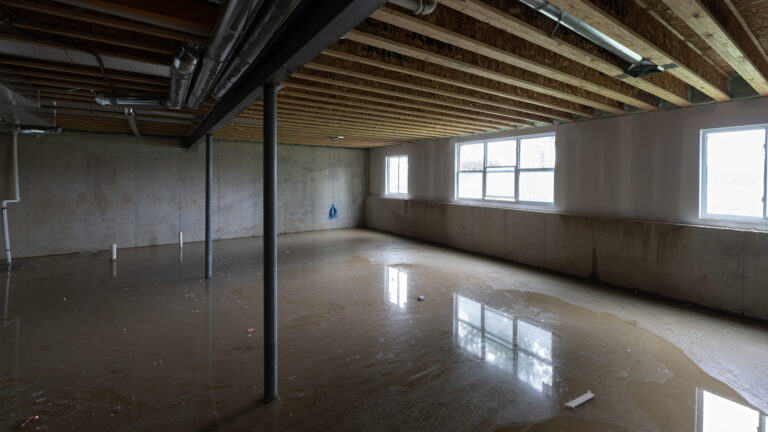
Basement Flooding from Heavy Rain
A suburban home experienced flooding after a severe storm. Restoration crews pumped out over 12 inches of standing water, dried the basement with commercial dehumidifiers, and treated the space with antimicrobial solutions to prevent mold growth.
Burst Pipe in a Commercial Office
A pipe burst on the top floor of an office building, causing water to seep into multiple levels. Using thermal imaging, the team located hidden moisture behind walls and under flooring. Fast drying and targeted repairs minimized business downtime.
Kitchen Leak from a Dishwasher Failure
A slow leak damaged the subfloor beneath a family’s kitchen. Restoration specialists removed the damaged flooring, dried the substructure, and reinstalled materials, saving the homeowners from future mold issues.
Flooding from Hurricane Surge
A coastal property was inundated with saltwater during a hurricane. Experts removed contaminated materials, neutralized corrosion risk, and rebuilt the affected living spaces.
Advantages of Professional Water Damage Restoration
Hiring professionals ensures a thorough and safe restoration process. Experts understand the different water contamination levels from clean water to hazardous sewage and use appropriate safety protocols.
Professionals also have access to industrial-grade equipment that removes water faster and more efficiently than consumer-grade tools. Their experience helps them anticipate hidden damage, saving homeowners and businesses from costly surprises later.
Additionally, they can provide detailed documentation for insurance claims, making the process smoother and more likely to result in fair compensation.
Practical Use Cases for Water Damage Restoration
Post-Storm Recovery – After hurricanes, heavy rains, or flash floods, professional restoration ensures homes and businesses are made safe and habitable quickly.
Plumbing Emergencies – Burst pipes and appliance failures can cause extensive damage in hours. Fast intervention prevents structural damage.
Fire Damage Cleanup – Water used to extinguish fires can cause secondary damage. Restoration experts handle both fire and water damage.
Mold Prevention – By addressing hidden moisture, restoration professionals prevent mold infestations that can harm health and property.
Preventive Measures Against Water Damage
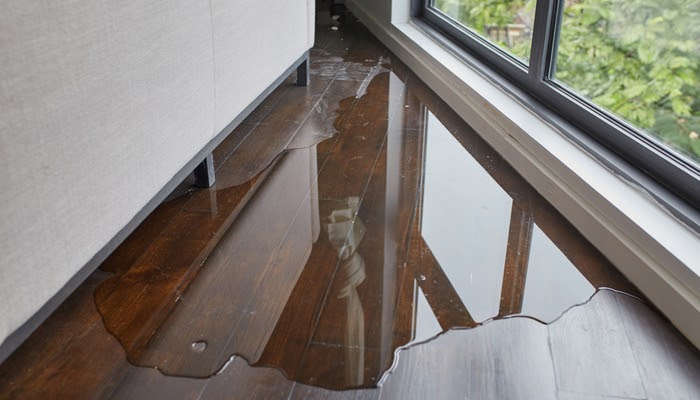
Preventive action can save thousands in repairs. Regularly inspect plumbing, roofing, and gutters for early signs of wear. Install water leak detection devices in areas prone to leaks.
For high-risk areas like basements, consider sump pumps and backup power systems to handle unexpected flooding. Businesses can schedule annual inspections with restoration professionals to identify vulnerabilities before damage occurs.
Frequently Asked Questions
Q1: How quickly should water damage be addressed?
Ideally, within 24 hours. The faster water is removed and drying begins, the lower the risk of mold and structural damage.
Q2: Can I handle water damage cleanup myself?
Minor incidents may be manageable, but significant water damage requires professional tools and expertise to ensure complete drying and safety.
Q3: Does water damage restoration include mold removal?
If mold is found during restoration, experts will remove it and address the moisture source to prevent recurrence.