Flood Clean Up Services – Complete Guide to Effective Flood Damage Restoration
Flood clean-up services are specialized restoration solutions designed to remove excess water, dry out affected areas, sanitize contaminated spaces, and restore structural integrity after a flood. These services are critical for both residential and commercial properties, as flooding can cause immediate and long-term damage if not addressed quickly.
Flood water may come from natural disasters like heavy storms and river overflows, or internal problems such as burst pipes, sewer backups, or appliance failures. Each situation requires tailored approaches to ensure safety, prevent mold growth, and restore the property to its original condition.
Why Timely Flood Clean Up is Essential

The first 24 to 48 hours after a flood are crucial. In this period, moisture can seep deep into walls, flooring, and insulation, causing hidden damage. Without prompt removal and drying, mold colonies can begin to grow, leading to health hazards and costly repairs.
Quick action also prevents structural weakening. Wood framing, drywall, and subfloors are all susceptible to warping and deterioration when exposed to prolonged moisture. By hiring professional flood clean-up services immediately, property owners reduce the risk of secondary damage and can often salvage more belongings.
Common Causes of Flooding
Floods can occur in a variety of ways, and understanding the cause is the first step toward effective cleanup:
-
Natural Disasters – Heavy rainfall, hurricanes, snowmelt, or river overflows.
-
Plumbing Failures – Burst pipes, faulty water heaters, or broken supply lines.
-
Sewer Backups – Blockages or overwhelmed municipal systems causing wastewater to backflow.
-
Appliance Malfunctions – Overflowing washing machines or dishwashers.
Each type of flooding comes with its hazards, particularly in cases involving contaminated water from sewers or storm runoff.
The Flood Clean-Up Process
Professional flood clean-up services follow a multi-step process to ensure thorough restoration:
1. Safety Evaluation – Power is shut off in affected areas, and hazards such as contaminated water are identified.
2. Water Removal – High-powered pumps and vacuums remove standing water rapidly.
3. Moisture Mapping – Hygrometers and thermal cameras detect hidden moisture pockets.
4. Drying and Dehumidification – Industrial air movers and dehumidifiers remove residual dampness from structures and air.
5. Cleaning and Sanitizing – Specialized disinfectants are applied to kill bacteria, mold spores, and eliminate odors.
6. Repairs and Restoration – Damaged materials are repaired or replaced to return the property to its pre-flood state.
Technology in Modern Flood Clean-Up Services

Today’s restoration industry leverages advanced tools to make the cleanup process more efficient and effective. Truck-mounted extraction systems allow for rapid water removal on a large scale. Infrared thermal imaging helps professionals locate moisture hidden inside walls and floors.
Desiccant dehumidifiers are used to dry dense structural materials, while air scrubbers improve indoor air quality during restoration. The integration of these technologies reduces the risk of missed moisture, which is a leading cause of post-flood mold growth.
Real-World Examples of Flood CClean-Up Services

Coastal Home Flooded by Hurricane Surge
A coastal residence was inundated with several feet of seawater during a hurricane. The cleanup team first extracted the saltwater, then used specialized cleaning agents to remove corrosive residues. Industrial drying equipment prevented wood rot and salvaged much of the existing flooring.
Commercial Office Building Pipe Burst
A burst water main flooded the basement and ground floor of an office building. The restoration crew removed thousands of gallons of water overnight, preventing major electrical damage. Rapid drying allowed business operations to resume within a week.
Sewer Backup in Urban Apartment Complex
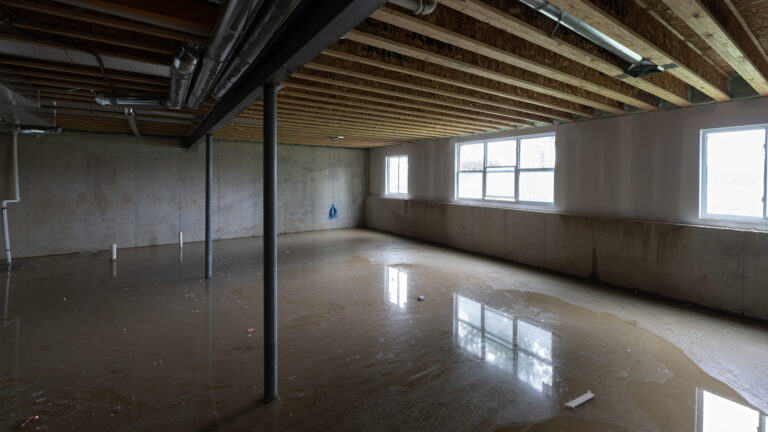
A severe sewer backup affected the basement storage units of a large apartment complex. Due to contamination, all affected surfaces were deep cleaned and disinfected. Air scrubbers were deployed to ensure safe air quality before residents could access storage again.
River Overflow into Rural Home
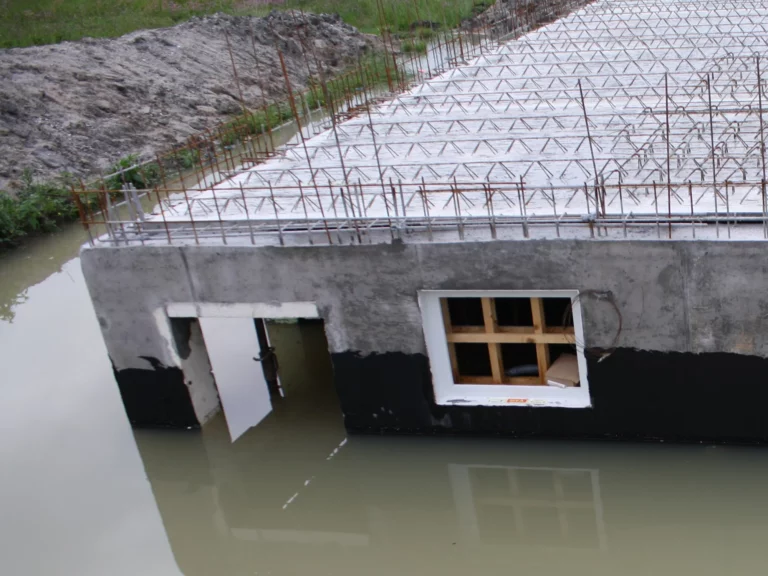
A river overflowed after prolonged rain, flooding a rural home. The restoration team prioritized removing mud and debris before drying the home, ensuring that both structural stability and indoor hygiene were restored.
Benefits of Professional Flood Clean-Up Services
Professional services provide several critical advantages over DIY efforts. First, they have specialized equipment capable of handling large-scale water removal and deep structural drying. This ensures moisture is eliminated from even the most hidden areas.
Second, they bring expertise in handling contaminated water. Flood waters often contain bacteria, chemicals, and other hazardous materials that require professional-grade cleaning solutions and safety protocols. Finally, professionals manage the restoration process from start to finish, saving property owners time and stress.
Practical Use Cases
Flood clean-up services are essential in numerous real-life situations:
-
After Natural Disasters – Quick restoration after storms prevents long-term property damage.
-
Plumbing Emergencies – Rapid response to burst pipes saves flooring and furniture.
-
Sewer Contamination Events – Ensuring safe, sanitary living conditions after a backup.
-
Large-Scale Commercial Floods – Minimizing downtime for businesses.
In all these scenarios, professional intervention dramatically increases the chances of successful restoration.
Preventive Measures to Reduce Flood Damage

While it’s impossible to prevent all floods, these steps help minimize risks:
-
Maintain gutters, downspouts, and drainage systems.
-
Install sump pumps with battery backups.
-
Seal foundation cracks and basement walls.
-
Elevate utilities and appliances in flood-prone areas.
Regular inspections and maintenance are vital to keeping properties safe from water damage.
Frequently Asked Questions
Q1: How quickly should flood clean-up begin?
Within the first 24 hours. The faster water is removed, the lower the risk of structural damage and mold growth.
Q2: Is floodwater always dangerous?
Not always, but it’s best to treat all flood water as potentially contaminated. Professional services ensure safe handling.
Q3: How long does the restoration process take?
It depends on the severity. Minor floods can be addressed in 1–3 days, while severe or contaminated floods may take a week or more.