Emergency Roof Leak Repair – Complete Guide for Fast, Reliable Protection
Emergency roof leak repair refers to urgent roofing services performed to stop water intrusion, minimize property damage, and stabilize structures until permanent repairs can be made. Unlike standard maintenance, this type of repair happens in high-pressure situations where immediate action is critical, often during or right after severe weather, an accident, or sudden material failure.
Leaks may start as small drips but can rapidly escalate into major problems, compromising insulation, structural components, and interior finishes. Emergency repairs focus on halting water entry quickly, preventing further deterioration, and keeping occupants safe until a full inspection and restoration can take place.
Common Causes of Emergency Roof Leaks

Many factors can trigger a sudden roof leak requiring emergency attention:
-
Severe Weather Events – Heavy rain, hail, or wind-driven storms can loosen shingles, crack tiles, or puncture roofing layers.
-
Fallen Debris – Tree limbs or windblown objects can cause direct impact damage.
-
Aging Roofing Systems – Materials deteriorate over time, making them vulnerable to sudden breaches.
-
Improper Installation – Faulty flashing, poor sealing, or misaligned shingles create weak spots.
-
Ice Dams – In colder climates, trapped melting snow can back up under shingles.
When these situations occur, rapid intervention is vital to prevent additional water infiltration and related damage.
The Emergency Roof Leak Repair Process

Professional emergency roof leak repair typically follows a systematic process:
-
Rapid Response and Safety Assessment – Teams arrive quickly, ensuring conditions are safe before starting work.
-
Leak Source Identification – Using visual inspection and, if necessary, thermal imaging to locate the breach.
-
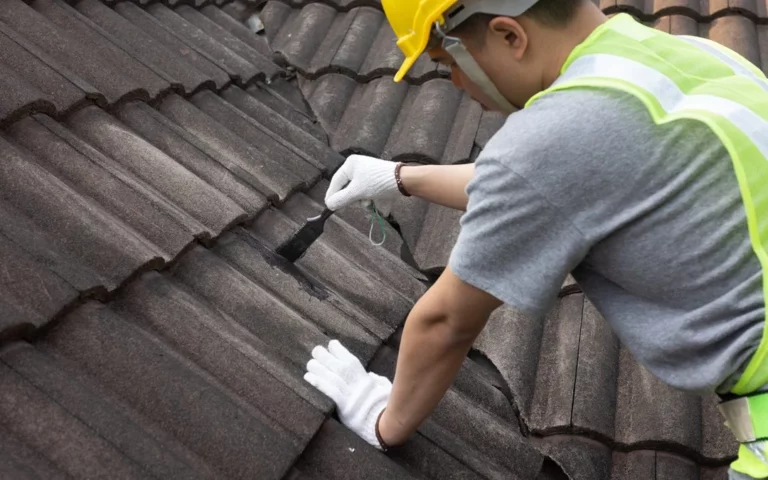
Temporary Leak Containment – Applying tarps, sealants, or patches to immediately stop water entry.
-
Water Extraction and Drying – Removing any interior water and using industrial drying equipment to prevent mold growth.
-
Damage Documentation – Taking photos and notes for insurance purposes.
-
Planning Permanent Repairs – Arranging for complete restoration once weather conditions allow.
This approach minimizes downtime, reduces property loss, and ensures that follow-up work is well-planned.
The Role of Technology in Emergency Roof Leak Repair

Modern technology greatly enhances the speed, accuracy, and safety of emergency repairs. Thermal imaging cameras detect hidden moisture within roofing materials, pinpointing leaks that might not be visible to the naked eye. Drone inspections provide a bird’s-eye view of damage, especially when conditions are unsafe for manual inspection.
Advanced repair materials like self-adhesive waterproof membranes and UV-resistant tarps create quick yet durable seals against rain and snow. Moisture meters and hygrometers help confirm that the interior structure is fully dry, reducing the risk of mold. The combination of skilled labor and cutting-edge tools ensures higher repair quality and faster recovery times.
Real-World Examples of Emergency Roof Leak Repair
Residential Storm Damage in a Coastal Town
After a hurricane brought torrential rain and 70 mph winds, a family home suffered multiple shingle losses. Emergency crews arrived within hours, secured the damaged sections with heavy-duty tarps, and used high-powered fans to dry the attic. This prevented structural damage and reduced the repair costs significantly.
Commercial Flat Roof Puncture
A retail store with a flat roof experienced a leak after wind-driven debris punctured the membrane. Using drone imaging, technicians located all breach points without walking the wet roof. Temporary patches were applied with industrial-grade sealants, allowing the store to remain open while permanent repairs were scheduled.
Tree Impact on Suburban Home
During a windstorm, a large oak branch penetrated the roof of a two-story home. The emergency repair team removed the debris, covered the damaged area with reinforced waterproof sheeting, and deployed dehumidifiers indoors. Their swift action preserved the home’s ceilings and prevented mold contamination.
Ice Dam Leak in a Mountain Cabin
In winter, ice buildup caused melted snow to seep under shingles and into the attic of a vacation cabin. Emergency crews used heated cables to melt the ice and installed protective barriers to prevent recurrence. This intervention saved the cabin’s wooden beams from rot.
Benefits of Professional Emergency Roof Leak Repair
Professional services offer clear advantages over DIY attempts:
-
Speed and Efficiency – Teams arrive prepared with tools and materials to start work immediately.
-
Comprehensive Damage Control – Beyond sealing leaks, professionals address water removal and interior drying.
-
Safety First – Trained crews handle hazardous conditions like slippery surfaces and electrical risks.
-
Long-Term Cost Savings – Immediate containment reduces the need for costly structural repairs later.
Attempting emergency repairs without proper training can lead to injuries, incomplete fixes, or worsening damage.
Practical Use Cases
Emergency roof leak repair services are valuable in multiple scenarios:
-
Post-Storm Recovery – Restoring safety and preventing interior damage after severe weather.
-
Business Continuity – Keeping operations running by stopping leaks in commercial spaces.
-
Property Preservation – Protecting rental or seasonal homes from long-term damage during owner absence.
-
Historic Building Protection – Safeguarding heritage structures with specialized temporary measures until restoration experts arrive.
These use cases show that the service is not just reactive but also an essential safeguard for property value and safety.
Preventing the Need for Emergency Roof Leak Repair

While emergencies can’t always be avoided, property owners can take steps to reduce risks:
-
Schedule yearly professional inspections to catch small issues early.
-
Keep gutters clean to prevent water backup.
-
Trim nearby trees to avoid falling branches.
-
Repair loose shingles or flashing as soon as they are spotted.
Proactive maintenance extends roof lifespan and reduces emergency incidents.
Frequently Asked Questions
Q1: How soon should emergency roof leak repairs start after discovering a leak?
Ideally, within a few hours. Delays increase the risk of structural damage and mold growth.
Q2: Are temporary roof repairs effective long-term?
They are designed for short-term protection. Permanent repairs should follow as soon as conditions allow.
Q3: Can I handle an emergency roof leak myself?
While minor patching might be possible, it’s safer and more effective to use professionals with the right equipment and training.