Basement Flood Clean Up – Complete Guide to Safe and Effective Water Damage Recovery
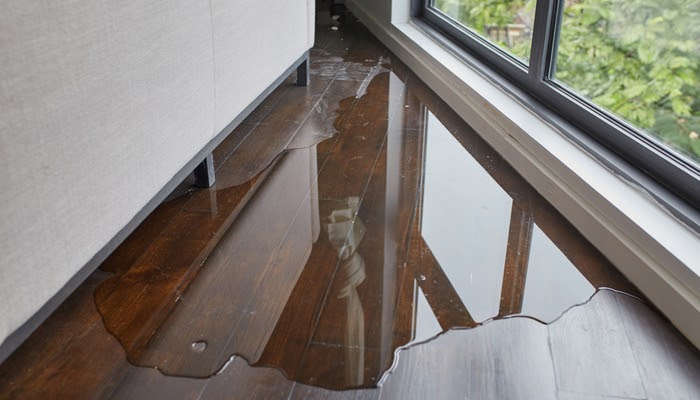
Basement flood clean-up is a specialized process designed to remove water, dry out structures, and restore the safety of a basement after flooding. Whether caused by heavy rains, sewer backups, burst pipes, or groundwater seepage, basement flooding can cause serious property damage and pose health risks if not handled promptly.
Unlike simple water removal, professional basement flood clean-up involves thorough inspection, moisture detection, drying, sanitization, and sometimes structural repairs. Because basements are prone to poor ventilation and high humidity, quick and complete drying is essential to prevent mold growth and long-term structural deterioration.
Why Basement Flooding Requires Immediate Action

Time is the most critical factor in reducing damage from a flooded basement. Within hours, water can saturate walls, flooring, and furniture. Within 24–48 hours, mold can begin to develop, and structural materials like wood and drywall can weaken.
Immediate basement flood cleanup not only reduces the extent of physical damage but also minimizes potential health hazards from bacteria, mold spores, and other contaminants in the water. Acting quickly also helps preserve valuable belongings stored in the basement and can make the insurance claim process smoother.
Causes of Basement Flooding
Basement flooding can result from several sources:
-
Heavy Rainfall & Poor Drainage – Excess water overwhelms exterior drains or seeps through cracks in the foundation.
-
Burst or Leaking Pipes – Sudden plumbing failures release large amounts of water into the basement.
-
Sewer Backups – Blockages or municipal system overloads send contaminated water into the home.
-
Sump Pump Failures – A broken or overworked sump pump allows water to accumulate during storms.
Understanding the cause is crucial because it influences the type of cleaning, drying, and sanitization required.
The Basement Flood Clean-Up Process

Professional clean-up follows a methodical process to ensure safety and prevent further damage:
1. Safety Assessment – Electricity and gas lines are checked to prevent accidents. Hazards like contaminated water are identified.
2. Water Extraction – High-capacity pumps and wet vacuums remove standing water quickly.
3. Moisture Detection – Infrared cameras and hygrometers locate hidden dampness in walls, floors, and furniture.
4. Drying & Dehumidification – Industrial air movers and dehumidifiers draw out moisture from both surfaces and the air.
5. Sanitization – Disinfectants are applied to eliminate bacteria, mold spores, and unpleasant odors.
6. Restoration – Damaged materials are repaired or replaced to restore the basement to its pre-flood condition.
Technology Used in Modern Basement Flood Clean Up
Today’s basement flood cleanup services rely on advanced technology for efficiency and thoroughness. Truck-mounted extraction systems allow rapid water removal from large basements. Desiccant dehumidifiers are used for deep drying of dense materials such as concrete walls.
Thermal imaging cameras reveal moisture trapped behind surfaces that the naked eye cannot detect. Air scrubbers help improve indoor air quality during the drying process by removing mold spores and fine dust particles. Together, these tools ensure that no hidden moisture remains, reducing the risk of future damage.
Real-World Examples of Basement Flood Clean Up
Residential Basement Flood from Heavy Storm
After a summer thunderstorm, a homeowner discovered 8 inches of water in their basement. A professional crew arrived within hours, using high-capacity pumps to remove the water and industrial dehumidifiers to dry the space. Because of the fast response, most stored items were salvaged, and mold growth was avoided.
Burst Pipe During Winter Freeze
A frozen water pipe burst, flooding a finished basement with clean but cold water. Technicians extracted the water, removed soaked carpeting, and applied targeted drying to prevent wood warping. They also insulated the pipe to prevent a repeat incident.
Sewer Backup in Urban Home
A city sewer system overflowed after a heavy rain, pushing contaminated water into a homeowner’s basement. Thcleanupup required not only water removal but also deep disinfection and replacement of damaged flooring and drywall. Air scrubbers ensured safe indoor air quality before the space was habitable again.
Sump Pump Failure During Hurricane Season
A sump pump stopped working during a major storm, causing floodwater to rise quickly in the basement. The removal team used truck-mounted vacuums, then installed a backup battery-powered sump pump as a preventative measure during the restoration phase.
Benefits of Professional Basement Flood Clean Up
Hiring professionals offers clear advantages. First, they bring the right equipment and expertise to handle large volumes of water quickly. Their advanced tools remove hidden moisture, which DIY methods often miss, preventing mold and structural issues.
Second, professionals can handle hazardous situations like sewage contamination safely. They follow strict safety protocols and use commercial-grade disinfectants to ensure the basement is safe for future use.
Use Cases for Basement Flood Clean-Up Services
-
Post-Storm Recovery – Removing floodwater after severe weather events.
-
Plumbing Emergencies – Addressing burst pipes or water heater leaks.
-
Sewage Incidents – Cleaning contaminated water and sanitizing the space.
-
Preventive Dry-Out – After minor leaks or seepage, prevent mold growth.
These services are essential for both emergencies and proactive maintenance.
Preventing Basement Flooding in the Future

While you can’t prevent all causes, steps can be taken to reduce risks:
-
Install a reliable sump pump with a backup battery.
-
Keep gutters and downspouts clear to direct water away from the foundation.
-
Seal cracks in foundation walls and floors.
-
Grade landscaping to slope away from the home.
Regular inspections and preventive measures greatly reduce the chances of future basement flooding.
Frequently Asked Questions
Q1: How soon should I start cleaning up after basement flooding?
Immediately. The sooner water is removed, the less damage and the lower the risk of mold growth.
Q2: Can I clean a flooded basement myself?
Small amounts of clean water can be handled by homeowners, but large floods or contaminated water require professional expertise for safety and thoroughness.
Q3: How long does the cleanup process take?
It depends on the extent of the flooding and drying needs. Minor floods may be resolved in a day, while severe cases can take several days.